

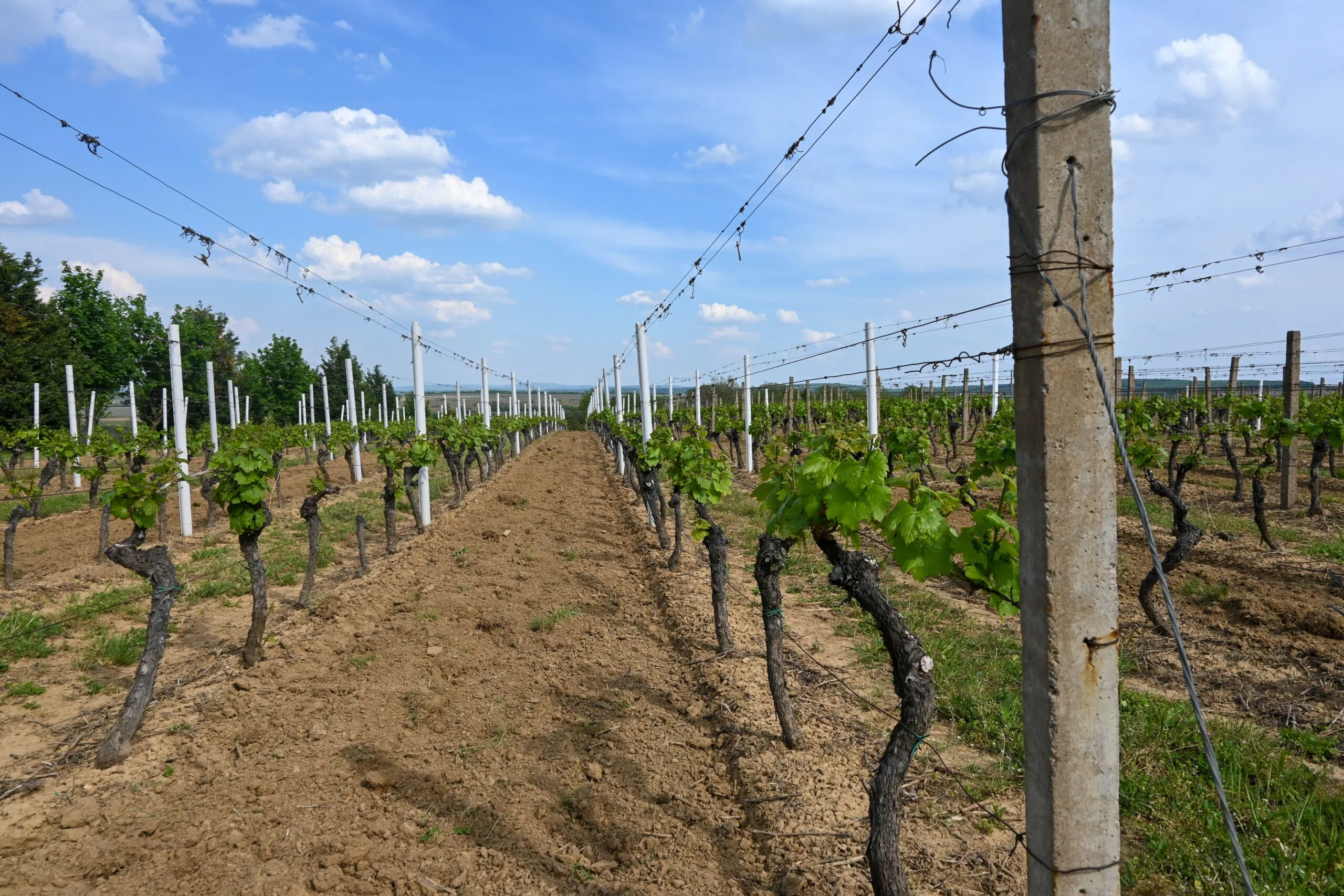
Mechanical harvesting: how to calculate distance between rows and track width
The efficiency of mechanical harvesting does not depend solely on engine power or blade precision; it is determined months in advance, when the soil is prepared.
Poorly thought-out planning exposes the farm to hefty hidden costs: the risks include trampling of the crop due to an incorrect track width, eroded ridges and continuous slowdowns caused by having to adjust the path of the self-propelled machine. Reducing your forward speed because of imprecise row spacing means wasting precious working hours, increased fuel consumption and the risk of damage to the plants.
It is therefore essential to ensure that the soil structure is compatible with the mechanical specifications of the harvester. The field layout must always be tailored to the dimensions of the machine: ensuring that the tyres or tracks run exactly in the centre of the row spacing allows the weight to be distributed evenly, thus preventing the crop from being trampled and minimizing soil compaction.
Technical design: bridging the gap between terrain and machinery
To avoid measurement errors and ensure that field work is coordinated as effectively as possible when a harvester is purchased or adjusted, it is important to clarify the terminology. There is often a tendency to confuse parameters relating to the terrain with those relating to the mechanics of the machine: even a misalignment of just a few centimetres between these two categories can compromise the outcome of mechanical harvesting.
We have summarised the key factors to consider to make it easier for you to plan your farmland.
| Term | Category | Definition | Impact on Mechanical Harvesting |
| Raised bed | Soil | A raised, levelled strip of soil on which crops are grown (e.g. baby leaf, lamb’s lettuce, basil). | Establishes the effective width of the machine’s cutting and harvesting bar. |
| Row spacing / Gap between rows | Soil | Distance between the centres of two adjacent raised, levelled strips of soil. | Establishes the designated path along which wheels or tracks must travel without crushing the sides of the raised bed. |
| Track width | Machine | Transverse distance between the centres of tracks or wheels on the same axle. | It must line up to the millimetre with the row spacing to avoid damaging the crop. |
| Wheelbase | Machine | The longitudinal distance between the front and rear axles of the machine | Directly affects the stability of the machine and its turning radius at the headland. |
| Headland | Terrain | Uncultivated manoeuvring area situated on either side of the crop. | Allows the machine to exit smoothly, turn and realign without crushing the crop. |
The importance of calculating row spacing and bed width/height for mechanical harvesting
Correct preparation of the raised cultivation bed involves balancing the agronomic requirements of crops such as parsley, aromatic herbs and baby leaf with the cutting and ground speed dynamics of the self-propelled harvester. Inaccurate sizing undermines the harvester’s potential and results in product waste that is unacceptable to the industrial supply chain.
Sizing the crop ridge
The width of the raised bed determines the usable cultivation area. In De Pietri’s design philosophy, the width of the cutter bar is generally chosen to perfectly span the raised bed and corresponds to the machine’s track width. The aim is to make full use of 100% of the workspace:
- If the surface area of the raised bed is wider than the bar, the plants at the outer edges may be left out or end up with a ragged cut.
- If the raised bed is too narrow, the blade will cut through the furrows without making contact with the ground, with the risk of drawing soil or debris into the harvest bin.
Inter-row soil management
Inter-row spacing is calculated by adding the width of the raised crop bed to the width of the adjacent wheel furrow. The width of the furrow varies, since it depends on the vehicle’s footprint:
- Tyres: Require a margin of tolerance in the furrow to accommodate slight steering errors without running over the plants.
- Tracks: Guarantee flotation on soft soil, but need a well-levelled furrow to prevent the sides of the raised bed from being eroded.
Well-sized row spacing preserves the soil structure, protects the roots and ensures the self-propelled machine has the stability it needs for a consistent cut along the entire row.
Track width and wheelbase: De Pietri mechanics in action
While the size of the raised bed defines the working area, the structural parameters of the self-propelled harvester determine its fluidity of forward movement and overall manoeuvrability on the farm.
Optimization of track width
To ensure a smooth mechanical harvest the track width of your harvester must match the exact distance between your crop rows. When this symmetry is perfect, the weight of the self-propelled machine is borne exclusively at the centre of the furrow. This prevents the side walls of the raised bed from collapsing, maintains the stability of the cutting mechanism and prevents delicate crops such as herbs or baby leaf from being trampled.
Wheelbase and headland calculation
The wheelbase plays a key role in weight distribution and the turning radius. A well-proportioned wheelbase ensures stability even at full load, but requires a suitable headland at the end of the field. The headland must be wide enough to allow the self-propelled harvester to exit the row completely, turn round and realign itself perfectly on the next bed without repeated manoeuvres.
Generally speaking, the minimum headland width is calculated by multiplying the machine’s wheelbase by a factor of between 1.5 and 2, to which the length of the harvesting header must be added. Ensuring a clear space of approximately 4 – 6 metres allows for rapid manoeuvres, reduces downtime and eliminates the risk of collisions or damage to the ends of the crop beds.
Handy checklist: 4 steps prior to sowing
Planning the field before the harvester arrives helps to avoid costly adjustments once the season is under way.
- Define the width of the raised crop bed: Adjust the width and shape of the raised bed to match the harvester’s cutting width so you use 100% of its capacity.
- Calculate the space between rows: Add to the width of the raised bed the clearance required for the drive mechanisms (tyres or tracks) to pass through the centre of the furrow.
- Mark out the headland: Leave a clear space at the end of the field proportionate to the wheelbase of the harvester (indicatively between 4 and 6 metres), to ensure smooth manoeuvres.
- Check the track width of the machine: Make sure that the track width of the machine matches the row spacing exactly before proceeding with the plotting and sowing operations.
Frequently asked questions about field preparation
What happens if the row spacing fails to match the harvester’s track width?
A misalignment will cause the wheelwork to run along the edges of the raised bed. This will lead to soil erosion, trampling on the crop and instability of the cutter bar, with the risk of soil being drawn into the harvest bin.
How many metres of headland does a self-propelled horticultural harvester require?
To ensure smooth turns without the need for repeated manoeuvres the ideal headland is usually between 4 and 6 metres in width, depending on the overall wheelbase of the machine and the length of the harvesting header.
How can I adapt a De Pietri machine if I have already prepared the raised beds on the ground?
De Pietri harvesters can be configured with dedicated frames and adjustable or customized track widths, tailor-made to integrate seamlessly with your row spacing and the farm’s existing infrastructure.
Advantages and operating conditions of mechanized harvesting using self-propelled machines
Use of De Pietri harvesters ensures high economic efficiency and maximizes the overall efficiency of the worksite. High-precision automated cutting replaces manual labour, thereby reducing operating costs and ensuring a consistent standard of quality.
The machines are designed to operate reliably even in extreme terrain or weather conditions, combining sustainability with maximum productivity.
De Pietri technical consultancy: bespoke harvesting solutions
The success of efficient, rapid and waste-free mechanical harvesting stems from the perfect synergy between the characteristics of your terrain and the way your harvester is engineered.
You do not have to adapt your field to the machine: it is the De Pietri machine that adjusts to your cultivation layout. Contact the De Pietri technical department: by assessing the composition of your soil, we will identify the ideal cutter bar and track width to ensure you achieve maximum operational efficiency from day one.